
Classic Mosaic Tile Patterns for Shower Floors in Columbus, OH Bathrooms
- October 29, 2026
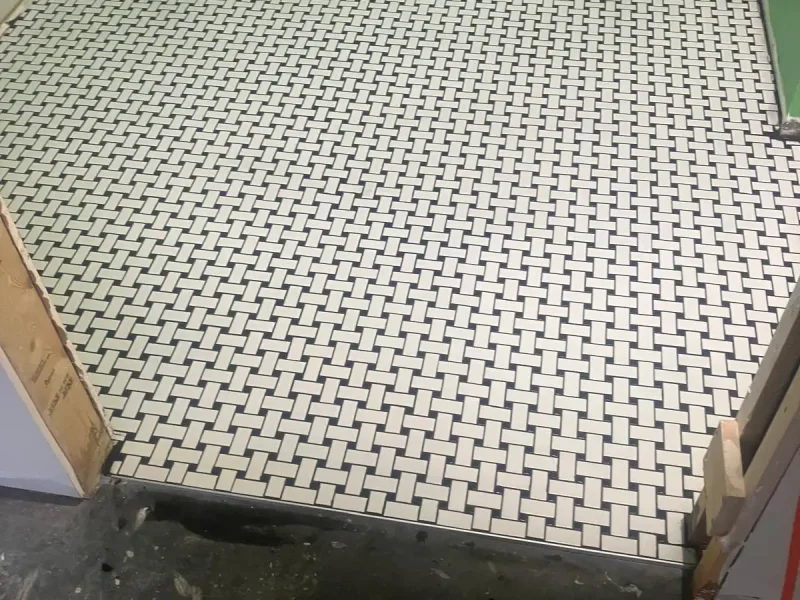
Some tile patterns have been used in bathrooms for over a hundred years — and they continue to appear in new construction and remodels because they work. Classic mosaic tile patterns for shower floors are not trends. They are design standards that have proven their visual staying power across generations of bathroom styles, from Victorian to mid-century to contemporary. What changes is the material, the color combination, and the grout choice. The patterns themselves remain the same.
At Beltran Tiles LLC, we install mosaic tile shower floors throughout Columbus, OH and the surrounding areas. Classic patterns — basketweave, penny round, herringbone, and straight-set mosaic — remain among the most requested shower floor formats we work with, and for good reason: they are slip-resistant, durable, visually versatile, and suited to virtually any bathroom design direction.
Why Mosaic Tile Works So Well on Shower Floors
Before getting into the patterns themselves, it is worth understanding why mosaic tile is particularly well-suited to shower floors — because the format’s practical advantages are as important as the aesthetic ones.
Slip resistance. Mosaic tile produces far more grout joints per square foot than large-format tile. Those joints provide texture underfoot, which increases traction on a wet surface. A shower floor covered in 1-inch or 2-inch mosaic tile is significantly less slippery than the same floor covered in 12-inch or larger tile, and this is why mosaic tile has been the standard for shower floors for generations.
Drainage compatibility. A shower floor must slope continuously toward the drain — typically 1/4 inch per foot in all directions. Small mosaic tiles follow that slope naturally, conforming to the curve of a mud-set mortar bed without needing to be cut to match the changing elevation. Large-format tiles on a sloped shower floor require much more precise substrate work to prevent lippage and rocking.
Pattern variety within a consistent format. All classic mosaic patterns use small tile — typically 1 inch to 2 inches per piece — but the arrangement of those pieces produces dramatically different visual results. The same 1×2 rectangular tile produces a basketweave pattern when oriented one way and a herringbone pattern when oriented another, which means a single tile size can serve multiple design directions.
The Classic Patterns
- Basketweave
Basketweave is one of the most recognizable mosaic tile patterns in American bathroom design. It is made from rectangular tiles — typically 1×2 inches — arranged in alternating horizontal and vertical pairs that create the appearance of an interlaced weave. Small square or dot tiles are often set at the intersections between the woven groups, which adds visual detail and breaks up the pattern in a way that makes the weave read more clearly.
The most classic basketweave combination is white rectangular tile with black dot accents — a black and white palette that has been used in bathrooms since the early 1900s and continues to appear in both traditional and transitional bathroom designs. The same pattern in all-white, all-gray, or with a colored dot accent reads as a more contemporary interpretation of the same classic format.
Basketweave tile is typically sold as pre-mounted sheets on a mesh backing, which holds the pattern in the correct configuration during installation and makes it practical to cover a shower floor efficiently. The sheet is set in mortar, pressed into place, and grouted once the mortar cures.
- Penny Round
Penny round tile consists of small circular tiles — typically 7/8 inch to 1 inch in diameter — arranged in a staggered grid. The circular shape means every tile is surrounded by grout on all sides, producing a shower floor with a very high grout-to-tile ratio and excellent traction.
The visual effect of a penny round floor is softer and more organic than the geometric basketweave or herringbone patterns. A floor of white penny rounds with white grout reads as clean and understated; the same tile with a contrasting dark grout makes the circular pattern much more pronounced. Penny rounds in a single color with a subtle grout variation are one of the most versatile shower floor choices available — they pair with subway tile, large-format stone tile, and mosaic accent tile without competing for attention.
Penny rounds are also available in a range of materials: ceramic, porcelain, marble, and glass. Marble penny rounds bring the warmth and variation of natural stone to the classic round format, while glass penny rounds add a translucent quality that reads differently under shower lighting than ceramic or stone.
- Herringbone
Herringbone uses the same rectangular tile as basketweave — typically 1×2 or 1×3 inches — but arranges them in a V-shaped zigzag rather than the alternating pairs of the weave. The result is a directional pattern with strong visual movement that draws the eye across the floor surface.
Classic herringbone is set at 45 degrees to the walls, which produces a diagonal chevron effect. Straight herringbone — set parallel to the walls — has a slightly more structured, architectural quality. Both read as more dynamic than a straight-set grid but less formal than basketweave.
Herringbone is typically installed in a single color — white, gray, or a natural stone — where the pattern itself is the visual statement. Two-tone herringbone, alternating two colors of rectangular tile, produces a much more graphic effect that works well in contemporary bathrooms with high-contrast palettes.
- Straight-Set Mosaic Grid
The simplest of the classic mosaic patterns is a straight-set grid — square tiles arranged in even rows and columns, aligned both horizontally and vertically. In a 1×1 or 2×2 inch format, a straight-set grid produces a clean, uniform surface where the grout joint network creates a fine texture across the floor.
Straight-set mosaic grids are the most neutral of the classic patterns — they work in any design direction and do not compete with strong wall tile or fixture choices. A white straight-set mosaic shower floor is a reliable background for a bathroom with bold wall tile, patterned stone, or custom tilework elsewhere in the space.
The straight-set grid also works well as a transition material between shower areas with more complex patterns. A mosaic floor in the shower entry can transition to a different format inside the shower enclosure, with the grid providing a visual pause between the two.
Grout Color and Its Effect on Classic Mosaic Patterns
In a mosaic tile shower floor, grout is not a background detail — it is a design element. The ratio of grout to tile surface in a classic mosaic pattern is high enough that the grout color materially changes how the pattern reads.
Matching grout — grout that closely matches the tile color — minimizes the visibility of the individual tiles and makes the floor read as a unified surface. A white basketweave floor with white grout has a softer, more monolithic quality than the same floor with dark grout.
Contrasting grout — typically a dark gray or black against a white or light tile — makes every tile edge and every joint visible, which sharpens the pattern and gives it more graphic intensity. A white basketweave pattern with dark grout reads as a bold, high-contrast design. A penny round with contrasting grout makes the circular grid clearly visible from across the room.
Mid-tone grout — a light to medium gray against white tile — is a middle path that allows the pattern to read without the high contrast of a dark grout. It is also more forgiving in a shower environment, where grout is subject to regular moisture, soap, and mineral deposits that show more visibly on bright white grout over time.
Pairing Classic Mosaic Shower Floors With Other Tile in Columbus, OH Bathrooms
Classic mosaic shower floors pair naturally with a wide range of wall tile formats. A few combinations that appear frequently in Columbus, OH bathrooms:
- Basketweave floor + subway tile walls — the most classic pairing in American bathroom design; the rectangular format of both patterns creates visual continuity while the scale difference keeps the floor and walls from competing
- Penny round floor + large-format porcelain walls — the small-scale round pattern provides contrast against the clean, uninterrupted surface of large-format wall tile
- Herringbone floor + vertical stacked tile walls — two directional patterns that work together when their lines run perpendicular to each other
Mosaic Tile Shower Floor Installation in Columbus, OH
At Beltran Tiles LLC, we install classic mosaic tile shower floors — basketweave, penny round, herringbone, straight-set, and custom pattern combinations — for bathrooms throughout Columbus, OH and the surrounding areas. Every installation includes a properly sloped mortar bed, full waterproofing, and precision grout work that keeps the pattern reading correctly from the first tile to the last.
Ready to install a mosaic tile shower floor in your Columbus, OH bathroom? Contact Beltran Tiles LLC today for a free consultation and estimate.
Share it :
Transform your home with expert craftsmanship
Upgrade your space with high-quality residential remodeling services in Columbus, OH. From tile installation to complete home improvements, Beltran Tiles LLC delivers precision, durability, and results you can trust.

Beltran Tiles LLC provides reliable residential remodeling services in Columbus, OH and surrounding areas. With over 23 years of experience, we deliver quality craftsmanship you can trust.
Contact
- Columbus, OH
- 40 Miles Of Coverage
- davidbeltran614@gmail.com
- info@beltrantiles.com
- (614) 517-6763
Info
- Monday to Saturday 8:00 AM - 6:00 PM
- By appointment only
- 24/7 Emergency Service
- +23 Years of Experience
- Residential Services Only
- Licensed & Insured
- Cash, Check & Zelle
- English and Spanish spoken